Running a small business? A powerful Small Business CRM can be your secret weapon. It’s not just about storing contacts—it’s about building relationships, boosting sales, and saving time. Let’s dive into the ultimate guide to choosing and using the best CRM for your growing business.
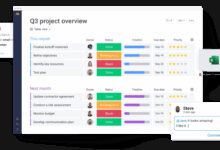
What Is a Small Business CRM and Why It Matters

A Customer Relationship Management (CRM) system is software that helps businesses manage interactions with current and potential customers. For small businesses, a Small Business CRM is more than a digital rolodex—it’s a strategic tool that streamlines communication, tracks sales pipelines, and enhances customer service. In today’s competitive market, where customer expectations are higher than ever, having a CRM isn’t a luxury—it’s a necessity.
Defining CRM in the Small Business Context
Unlike enterprise-level CRMs, which often come with complex features and high costs, a Small Business CRM is designed to be affordable, user-friendly, and scalable. It focuses on core functionalities like contact management, lead tracking, email integration, and basic reporting. The goal is to help small teams work smarter, not harder.
- Centralizes customer data in one accessible location
- Automates repetitive tasks like follow-up emails
- Provides insights into customer behavior and sales trends
According to Salesforce, companies using CRM systems see a 36% increase in customer satisfaction and a 34% improvement in sales performance. For small businesses, these numbers can mean the difference between stagnation and growth.
Key Benefits of Using a Small Business CRM
The advantages of implementing a CRM go far beyond organization. A well-chosen Small Business CRM can transform how you engage with customers and manage your operations.
Improved Customer Relationships: Track every interaction, from initial inquiry to post-sale support, ensuring no customer falls through the cracks.Increased Sales Efficiency: Automate lead scoring, pipeline management, and task reminders to keep your sales team focused on closing deals.Better Data-Driven Decisions: Access real-time reports on sales performance, customer retention, and campaign effectiveness.Enhanced Team Collaboration: Share customer notes, tasks, and updates across departments, reducing silos and improving coordination.”A CRM is not just a tool—it’s a strategy for putting the customer at the center of your business.” — HubSpotTop 7 Small Business CRM Tools in 2024Choosing the right Small Business CRM can feel overwhelming.With dozens of options on the market, each promising to revolutionize your workflow, how do you pick the one that fits your needs.
?Below is a curated list of the top 7 CRMs tailored for small businesses, based on usability, pricing, features, and customer reviews..
1. HubSpot CRM
HubSpot CRM is a favorite among small businesses for its intuitive interface and robust free plan. It offers everything from contact management to email tracking and deal pipelines—all without a price tag.
- Free forever plan with essential CRM features
- Seamless integration with Gmail and Outlook
- Advanced automation and marketing tools in paid tiers
One of the standout features is its ecosystem. As your business grows, you can easily upgrade to HubSpot’s marketing, sales, and service hubs. Learn more at HubSpot CRM.
2. Zoho CRM
Zoho CRM is a powerful, scalable solution that’s especially popular with tech-savvy small businesses. It offers AI-driven insights, workflow automation, and deep customization options.
- AI assistant (Zia) for predictive lead scoring and activity suggestions
- Customizable dashboards and sales forecasts
- Strong mobile app for on-the-go access
Zoho also integrates with over 40 other Zoho apps, making it a great choice for businesses already using Zoho Books or Zoho Projects. Visit Zoho CRM to explore its full potential.
3. Salesforce Essentials
Salesforce, the global leader in CRM, offers a simplified version called Salesforce Essentials, specifically designed for small teams of up to 10 users.
- Familiar Salesforce interface with simplified navigation
- Automated data entry and lead assignment
- Real-time collaboration via Chatter
While it’s more expensive than some competitors, its reliability, security, and scalability make it a solid long-term investment. Check it out at Salesforce Essentials.
4. Insightly
Insightly stands out for its project management integration, making it ideal for service-based small businesses like consultants, agencies, and contractors.
- Combines CRM with project and task management
- Visual workflow automation builder
- Strong contact relationship mapping
Its ability to link projects to customers allows teams to see the full scope of client engagements. Learn more at Insightly.
5. Freshsales (by Freshworks)
Freshsales is known for its AI-powered sales acceleration tools and clean, modern interface. It’s particularly effective for sales-driven small businesses.
- AI-based lead scoring and sentiment analysis
- Built-in phone and email capabilities
- Visual deal pipeline with drag-and-drop functionality
Freshsales also offers a free plan with up to 10 users, making it accessible for startups. Explore it at Freshsales.
6. Pipedrive
Pipedrive is built for sales teams that want a visual, pipeline-first approach. Its drag-and-drop interface makes it easy to manage deals and forecast revenue.
- Intuitive sales pipeline visualization
- Activity reminders and goal tracking
- Extensive app marketplace for integrations
It’s especially popular among real estate agents, freelancers, and B2B sales teams. Visit Pipedrive to see how it can streamline your sales process.
7. Agile CRM
Agile CRM combines CRM, marketing automation, and telephony in one affordable package. It’s a great all-in-one solution for small businesses on a budget.
- Free plan with up to 10 users
- Marketing automation with email campaigns and landing pages
- Integrated VoIP calling and web tracking
While it may lack some advanced features of premium CRMs, its value for money is unmatched. Learn more at Agile CRM.
How to Choose the Right Small Business CRM
Selecting the best Small Business CRM isn’t just about features—it’s about fit. The right CRM should align with your business model, team size, budget, and growth goals. Here’s a step-by-step guide to help you make the right choice.
Assess Your Business Needs
Start by identifying your pain points. Are you losing leads? Struggling with follow-ups? Need better reporting? List your top 3-5 challenges.
- Do you need email integration?
- Is mobile access important?
- Do you require automation or AI features?
For example, a consulting firm might prioritize project tracking, while an e-commerce startup may need strong email marketing tools.
Consider Scalability and Integration
Your CRM should grow with you. Look for platforms that offer tiered pricing and support integrations with tools you already use—like email, accounting software, or e-commerce platforms.
- Check compatibility with tools like QuickBooks, Shopify, or Google Workspace
- Ensure API access for future custom integrations
- Look for marketplaces like Zapier for no-code automation
As noted by Zapier, integration capability is one of the top factors small businesses consider when choosing a CRM.
Test Before You Commit
Most CRMs offer free trials or freemium plans. Take advantage of these to test usability, onboarding, and customer support.
- Invite team members to test the interface
- Import a sample dataset to see how it handles your data
- Check response time from customer support
Don’t rush the decision—spend at least a week evaluating each option.
Key Features to Look for in a Small Business CRM
Not all CRMs are created equal. While basic contact management is standard, the most effective Small Business CRM platforms offer a suite of advanced features that drive real results.
Contact and Lead Management
This is the foundation of any CRM. It allows you to store customer details, track interactions, and segment contacts for targeted outreach.
- Custom fields for industry-specific data
- Tagging and categorization for easy filtering
- Duplicate detection to maintain data hygiene
A well-organized contact database ensures your team always has the right information at their fingertips.
Sales Pipeline and Deal Tracking
A visual sales pipeline helps teams understand where each lead stands in the buying journey. It reduces guesswork and improves forecasting accuracy.
- Drag-and-drop deal stages
- Automated stage progression based on activity
- Revenue forecasting and win/loss analysis
According to Nucleus Research, businesses using CRM see an average of $8.71 return for every dollar spent.
Automation and Workflow Tools
Automation saves time and reduces human error. Look for CRMs that allow you to automate repetitive tasks like email follow-ups, task assignments, and data entry.
- Trigger-based actions (e.g., send email after form submission)
- Custom workflows for onboarding or support processes
- Task reminders and escalation rules
“Automation isn’t about replacing people—it’s about freeing them to do higher-value work.” — Forbes
How to Implement a Small Business CRM Successfully
Even the best CRM will fail if not implemented correctly. A successful rollout requires planning, training, and ongoing support.
Plan Your Data Migration Strategy
Moving data from spreadsheets or legacy systems into your new CRM is a critical step. Poor data quality can undermine the entire system.
- Clean your existing data (remove duplicates, fill missing fields)
- Map fields from old system to new CRM
- Test with a small batch before full migration
Many CRMs offer import wizards or even professional migration services for larger datasets.
Train Your Team Effectively
User adoption is the biggest challenge in CRM implementation. If your team doesn’t use the system, it’s useless.
- Provide hands-on training sessions
- Create quick-reference guides and video tutorials
- Appoint a CRM champion within the team
According to CIO.com, companies with formal CRM training programs see 50% higher user adoption rates.
Monitor Usage and Optimize
After launch, track how your team is using the CRM. Are they logging calls? Updating deals? Use built-in reports to identify gaps.
- Set up weekly check-ins to review CRM usage
- Gather feedback from users to improve workflows
- Iterate on automation rules and dashboards
Continuous improvement ensures your CRM remains a valuable tool, not a digital graveyard.
Common Small Business CRM Mistakes to Avoid
Even with the best intentions, many small businesses make critical errors when adopting a CRM. Avoid these pitfalls to maximize your ROI.
Overcomplicating the System
It’s tempting to use every feature a CRM offers, but complexity kills adoption. Start simple—focus on core functions like contact management and deal tracking.
- Resist the urge to customize everything on day one
- Use default pipelines and fields initially
- Gradually introduce automation and advanced features
As Forbes points out, simplicity is key to user adoption.
Neglecting Data Quality
A CRM is only as good as the data it contains. Incomplete, outdated, or duplicate records lead to missed opportunities and poor decision-making.
- Enforce data entry standards (e.g., required fields)
- Schedule regular data audits
- Use deduplication tools built into the CRM
“Garbage in, garbage out” applies perfectly to CRM systems.
Failing to Align CRM with Business Goals
Don’t treat CRM as just a tech project. It should support your overall business strategy—whether that’s increasing customer retention, shortening sales cycles, or improving service response times.
- Define clear KPIs before implementation (e.g., lead conversion rate)
- Align CRM workflows with your sales and marketing processes
- Review CRM performance quarterly
Without alignment, your CRM becomes a tool in search of a purpose.
Future Trends in Small Business CRM
The CRM landscape is evolving rapidly. Staying ahead of trends ensures your small business remains competitive and customer-centric.
AI and Predictive Analytics
Artificial intelligence is no longer just for big corporations. Modern Small Business CRM platforms are integrating AI to predict customer behavior, recommend next steps, and automate responses.
- AI-powered chatbots for 24/7 customer support
- Predictive lead scoring to prioritize high-value prospects
- Natural language processing for sentiment analysis in emails
As AI becomes more accessible, small businesses can leverage it to compete with larger players.
Mobile-First CRM Experiences
With remote work and field sales on the rise, mobile CRM access is essential. Future CRMs will prioritize seamless mobile experiences with offline capabilities and voice input.
- Mobile apps with full functionality
- Offline data syncing for field teams
- Voice-to-text notes and task creation
According to Gartner, the global CRM market is expected to reach $104 billion in 2023, driven largely by mobile and cloud adoption.
Integration with Ecosystems and Marketplaces
The future of CRM lies in connectivity. Platforms that integrate with e-commerce, social media, and productivity tools will dominate.
- One-click integrations with Shopify, WooCommerce, or Facebook Ads
- Unified dashboards across marketing, sales, and service
- No-code automation via platforms like Zapier or Make
Small businesses will increasingly rely on CRM as a central hub for all customer-facing operations.
What is the best Small Business CRM for startups?
For startups, HubSpot CRM and Agile CRM are excellent choices due to their free plans and ease of use. They offer essential features without upfront costs, allowing new businesses to scale as they grow.
Can a Small Business CRM improve customer retention?
Absolutely. A CRM helps you track customer interactions, identify at-risk clients, and personalize follow-ups. This leads to stronger relationships and higher retention rates.
How much should a small business spend on a CRM?
Most small businesses spend between $10 to $50 per user per month. Many platforms offer free plans for basic needs, making CRM accessible even on tight budgets.
Is CRM software difficult to learn?
Not anymore. Modern Small Business CRM platforms are designed with user-friendliness in mind. With proper training, most teams can become proficient within a few weeks.
Do I need a CRM if I have a small customer base?
Yes. Even with a small customer base, a CRM helps you stay organized, anticipate needs, and build stronger relationships—laying the foundation for future growth.
Choosing and implementing the right Small Business CRM is one of the most impactful decisions you can make for your business. From improving customer relationships to boosting sales efficiency, the benefits are clear. By understanding your needs, evaluating top tools, avoiding common mistakes, and staying ahead of trends, you can turn your CRM into a powerful growth engine. The future of small business success is customer-centric—and a great CRM is your first step toward achieving it.
Further Reading:
