In today’s fast-paced digital world, a SaaS CRM platform isn’t just a luxury—it’s a necessity. Discover how the right system can transform your customer relationships, supercharge sales, and drive explosive growth.
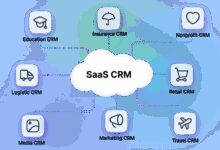
What Is a SaaS CRM Platform and Why It Matters

A SaaS CRM platform, or Software-as-a-Service Customer Relationship Management system, is a cloud-based solution that helps businesses manage interactions with current and potential customers. Unlike traditional on-premise CRM software, SaaS CRM platforms are hosted online, enabling access from anywhere, anytime, on any device with an internet connection. This flexibility has made them a cornerstone of modern sales, marketing, and customer service operations.
How SaaS CRM Differs from Traditional CRM
Traditional CRM systems require businesses to install and maintain software on their own servers. This often involves high upfront costs, complex IT infrastructure, and ongoing maintenance. In contrast, a SaaS CRM platform operates on a subscription model, eliminating the need for hardware investment and reducing IT overhead.
- Lower initial costs and predictable monthly fees
- Faster deployment—often ready in days, not months
- Automatic updates and security patches
According to Gartner, over 85% of customer management software implementations in 2024 will be cloud-based, underscoring the dominance of the SaaS model (Gartner, 2023).
Core Components of a SaaS CRM Platform
A robust SaaS CRM platform typically integrates several key modules to support end-to-end customer lifecycle management. These include:
- Sales Automation: Tools for lead tracking, opportunity management, and pipeline forecasting.
- Marketing Automation: Email campaigns, lead nurturing, and campaign analytics.
- Customer Service & Support: Ticketing systems, knowledge bases, and live chat integration.
- Analytics & Reporting: Dashboards that provide real-time insights into customer behavior and team performance.
“The shift to cloud-based CRM has democratized access to enterprise-grade tools, allowing even small startups to compete with industry giants.” — Salesforce, State of Sales Report 2023
Top 7 Benefits of Using a SaaS CRM Platform
Adopting a SaaS CRM platform offers transformative advantages across departments. From boosting sales efficiency to enhancing customer retention, the benefits are both measurable and scalable.
1. Scalability and Flexibility
One of the most compelling advantages of a SaaS CRM platform is its ability to scale with your business. Whether you’re a startup with five employees or a multinational corporation with thousands, cloud-based CRM systems can adapt to your needs.
- Add or remove users with a few clicks
- Scale storage and features based on usage
- Support global teams with multi-language and multi-currency capabilities
For example, HubSpot’s SaaS CRM platform allows businesses to start with a free tier and seamlessly upgrade to enterprise-level features as they grow (HubSpot CRM).
2. Cost-Effectiveness and Predictable Pricing
Traditional CRM systems often come with hidden costs—licensing fees, server maintenance, and IT staffing. A SaaS CRM platform eliminates these by offering transparent, subscription-based pricing.
- No upfront hardware investment
- Pay only for what you use
- Includes hosting, updates, and support
This model is especially beneficial for small and medium-sized businesses (SMBs) that need powerful tools without the financial burden. A 2023 Nucleus Research report found that SaaS CRM solutions deliver an average ROI of $8.71 for every dollar spent.
3. Real-Time Data Access and Collaboration
With a SaaS CRM platform, your team can access customer data in real time from any location. This is critical for remote teams, field sales reps, and customer support agents who need up-to-the-minute information.
- Synchronize data across devices instantly
- Enable team collaboration through shared notes and activity logs
- Integrate with communication tools like Slack, Microsoft Teams, and Zoom
Real-time visibility reduces errors, improves response times, and ensures everyone is on the same page.
Key Features to Look for in a SaaS CRM Platform
Not all SaaS CRM platforms are created equal. To get the most value, you need to evaluate platforms based on essential features that align with your business goals.
Customization and Workflow Automation
A one-size-fits-all approach rarely works in CRM. The best SaaS CRM platforms offer deep customization options, allowing you to tailor fields, pipelines, and dashboards to your unique processes.
- Create custom objects and data fields
- Automate repetitive tasks like lead assignment and follow-up emails
- Set up approval workflows and business rules
For instance, Zoho CRM’s Blueprint feature enables users to design step-by-step workflows that guide teams through complex sales processes (Zoho CRM).
Integration Capabilities
Your CRM doesn’t exist in a vacuum. It needs to connect seamlessly with your email, calendar, ERP, marketing tools, and e-commerce platforms.
- Native integrations with tools like Gmail, Outlook, Shopify, and QuickBooks
- API access for custom integrations
- Support for third-party app marketplaces like Zapier and Make
Integration reduces data silos, minimizes manual entry, and ensures a unified view of the customer.
AI and Predictive Analytics
Modern SaaS CRM platforms are increasingly powered by artificial intelligence (AI) to deliver smarter insights and automate decision-making.
- Predictive lead scoring to prioritize high-value prospects
- AI-driven sales coaching and email suggestions
- Forecasting models that anticipate revenue trends
Salesforce Einstein, for example, uses machine learning to analyze customer data and recommend next-best actions for sales reps (Salesforce Einstein).
Leading SaaS CRM Platforms in 2024
The market is flooded with SaaS CRM platforms, each with its own strengths. Here’s a breakdown of the top contenders and what makes them stand out.
Salesforce: The Enterprise Powerhouse
Salesforce remains the gold standard in SaaS CRM platforms, especially for large organizations. Its extensive ecosystem, robust customization, and AI capabilities make it a top choice for complex sales environments.
- Highly scalable with industry-specific editions (e.g., Financial Services, Healthcare)
- AppExchange offers over 3,000 integrations
- Strong mobile app and offline functionality
However, its complexity and cost can be barriers for smaller businesses.
HubSpot: The All-in-One Growth Platform
HubSpot has gained massive popularity for its user-friendly interface and free CRM tier. It’s ideal for SMBs and startups looking for an integrated marketing, sales, and service platform.
- Free plan includes contact management, email tracking, and deal pipelines
- Seamless integration between CRM, marketing, and customer service hubs
- Excellent onboarding and educational resources
While powerful, advanced features require upgrading to paid tiers.
Microsoft Dynamics 365: The Microsoft Ecosystem Integrator
For businesses already using Microsoft 365, Dynamics 365 offers deep integration with Outlook, Teams, and Power BI. It’s a strong choice for organizations that value seamless workflow within the Microsoft suite.
- Tight integration with Office apps
- Powerful analytics via Power BI
- Flexible deployment options (cloud, hybrid)
It can be complex to set up and may require technical expertise.
How to Choose the Right SaaS CRM Platform for Your Business
Selecting the right SaaS CRM platform requires a strategic approach. It’s not just about features—it’s about fit, scalability, and long-term value.
Assess Your Business Needs
Start by identifying your core challenges. Are you struggling with lead management? Do your teams lack visibility into customer interactions? Define your goals before evaluating platforms.
- Map out your customer journey and identify pain points
- Determine which departments will use the CRM (sales, marketing, support)
- List must-have features vs. nice-to-have
For example, a B2B company might prioritize lead scoring and pipeline management, while a B2C brand may focus on customer service and omnichannel support.
Evaluate Total Cost of Ownership
While SaaS CRM platforms have lower upfront costs, long-term expenses can add up. Consider:
- Subscription fees per user per month
- Cost of add-ons, premium features, and integrations
- Training and onboarding expenses
- Potential costs for data migration
Some platforms offer volume discounts or annual billing incentives—always negotiate.
Test Before You Commit
Most SaaS CRM platforms offer free trials or demos. Take advantage of these to test usability, performance, and support.
- Invite key team members to participate in the trial
- Simulate real-world scenarios (e.g., logging a lead, closing a deal)
- Assess the quality of customer support and documentation
A hands-on evaluation reduces the risk of buyer’s remorse.
Implementation Best Practices for SaaS CRM Platforms
Even the best SaaS CRM platform will fail if not implemented correctly. Follow these best practices to ensure a smooth rollout.
Start with a Clear Strategy
Define your implementation goals, timeline, and success metrics. Assign a project manager and form a cross-functional team to oversee the process.
- Set measurable KPIs (e.g., 20% increase in lead conversion)
- Develop a data migration plan
- Outline user roles and permissions
A clear roadmap keeps everyone aligned and accountable.
Ensure Data Quality and Migration
Poor data quality is the number one reason CRM projects fail. Cleanse your existing data before migration.
- Remove duplicates, outdated contacts, and incomplete records
- Standardize naming conventions and field formats
- Use automated tools to map and transfer data
Platforms like Import2 and Skyvia specialize in secure CRM data migration.
Train Users and Drive Adoption
No matter how powerful the platform, it’s useless if your team doesn’t use it. Invest in comprehensive training and ongoing support.
- Offer role-based training (sales, marketing, support)
- Create video tutorials and quick-reference guides
- Appoint CRM champions within each department
According to PwC, companies with high user adoption rates see 3x greater ROI from their CRM investments.
Future Trends Shaping the SaaS CRM Platform Landscape
The SaaS CRM platform market is evolving rapidly. Staying ahead of trends ensures your business remains competitive and customer-centric.
AI and Hyper-Personalization
AI is moving beyond basic automation to enable hyper-personalized customer experiences. Future SaaS CRM platforms will anticipate customer needs and deliver tailored recommendations in real time.
- Dynamic content personalization in emails and web experiences
- AI-powered chatbots that resolve complex queries
- Predictive customer lifetime value modeling
Companies like Oracle and SAP are already embedding generative AI into their CRM suites to draft emails, summarize calls, and suggest responses.
Vertical-Specific CRM Solutions
Generic CRM platforms are giving way to industry-specific solutions. SaaS CRM platforms tailored for healthcare, real estate, or education offer pre-built workflows and compliance features.
- Healthcare CRMs with HIPAA compliance and patient scheduling
- Real estate CRMs with property matching and transaction tracking
- Educational CRMs for student enrollment and alumni engagement
This trend improves usability and reduces customization time.
Enhanced Security and Compliance
As data breaches rise, security is a top concern. Leading SaaS CRM platforms are investing heavily in encryption, multi-factor authentication, and compliance certifications.
- GDPR, CCPA, and SOC 2 compliance
- End-to-end data encryption
- Regular security audits and penetration testing
Always verify a provider’s security posture before signing a contract.
What is a SaaS CRM platform?
A SaaS CRM platform is a cloud-based software solution that helps businesses manage customer relationships, sales pipelines, marketing campaigns, and customer support—all accessible via the internet on a subscription basis.
How much does a SaaS CRM platform cost?
Costs vary widely. Free plans (like HubSpot CRM) are available, while enterprise solutions like Salesforce can cost $300+ per user per month. Most SMBs spend between $12–$50 per user monthly.
Can small businesses benefit from a SaaS CRM platform?
Absolutely. SaaS CRM platforms are ideal for small businesses due to low entry costs, easy setup, and scalability. They help level the playing field by providing tools once reserved for large enterprises.
Is my data safe in a SaaS CRM platform?
Reputable SaaS CRM providers use advanced security measures like encryption, regular backups, and compliance with international standards (e.g., GDPR). Always review the provider’s security documentation.
How long does it take to implement a SaaS CRM platform?
Simple setups can take a few days; complex implementations with data migration and customization may take several weeks. Using a phased rollout can minimize disruption.
Choosing the right SaaS CRM platform is one of the most impactful decisions a business can make. From boosting sales efficiency to delivering exceptional customer experiences, the benefits are clear. As technology evolves, platforms will become smarter, more intuitive, and deeply integrated into every aspect of customer engagement. By understanding your needs, evaluating options carefully, and following best practices, you can unlock the full potential of a SaaS CRM platform and position your business for long-term success.
Further Reading:
