In today’s hyper-connected world, an Omnichannel CRM System isn’t just a luxury—it’s a necessity. It bridges the gap between businesses and customers, delivering seamless, personalized experiences across every touchpoint. Let’s dive into why this powerful tool is revolutionizing customer relationships.
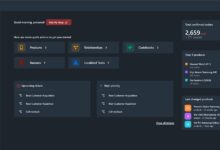
What Is an Omnichannel CRM System?

An Omnichannel CRM System is a comprehensive customer relationship management platform that integrates all communication channels—email, social media, phone, live chat, in-store visits, and more—into a unified interface. Unlike traditional CRM systems that operate in silos, omnichannel CRMs provide a 360-degree view of the customer by consolidating data from every interaction, regardless of the channel used.
Core Definition and Functionality
At its heart, an Omnichannel CRM System tracks, manages, and analyzes every customer interaction across multiple platforms. This ensures that no matter where a customer reaches out—whether via Instagram DM or a support call—the business responds with full context and consistency.
- Centralizes customer data from all touchpoints
- Enables real-time access to customer history
- Supports proactive engagement based on behavior patterns
According to Salesforce, companies using omnichannel strategies retain on average 89% of their customers, compared to 33% for those with weak channel integration.
How It Differs from Multichannel CRM
While both systems manage multiple channels, the key difference lies in integration. A multichannel CRM allows businesses to be present on various platforms but treats each as a separate entity. In contrast, an Omnichannel CRM System creates a continuous, fluid experience.
- Multichannel: Presence across channels, but fragmented data
- Omnichannel: Unified data flow and consistent messaging
- Omnichannel enables context continuity (e.g., starting a chat on mobile and resuming via email)
“Omnichannel isn’t about being everywhere—it’s about being connected everywhere.” — Gartner Research
Why Businesses Need an Omnichannel CRM System
Customer expectations have evolved. Today’s consumers demand instant, personalized, and consistent service across all platforms. An Omnichannel CRM System meets these demands by aligning sales, marketing, and customer service under one intelligent umbrella.
Rising Customer Expectations
Modern customers expect brands to know them—no matter how or where they interact. A study by McKinsey found that 76% of consumers expect consistent interactions across departments and channels.
- Customers dislike repeating information
- They expect fast resolutions regardless of entry point
- Personalization increases satisfaction and loyalty
An Omnichannel CRM System eliminates friction by ensuring that every agent has access to the full conversation history, preferences, and past purchases.
Competitive Advantage in the Digital Age
In a crowded marketplace, differentiation is key. Brands leveraging an Omnichannel CRM System gain a strategic edge through superior customer experience.
- Faster response times due to integrated workflows
- Higher conversion rates from personalized outreach
- Improved brand perception through consistency
For example, retail giant Sephora uses an omnichannel CRM to sync online behavior with in-store recommendations, resulting in a 20% increase in customer retention.
Key Features of a Powerful Omnichannel CRM System
Not all CRM platforms are created equal. A truly effective Omnichannel CRM System must include specific features that enable seamless integration, intelligent automation, and deep analytics.
Unified Customer Profiles
This is the cornerstone of any Omnichannel CRM System. A unified profile aggregates data from emails, social media, purchase history, support tickets, and website activity into a single, dynamic record.
- Includes behavioral data (pages visited, time spent)
- Tracks sentiment from support interactions
- Updates in real-time as new interactions occur
Tools like HubSpot and Zoho CRM offer robust profile unification, allowing teams to see the complete journey of a customer at a glance.
Real-Time Data Synchronization
For an Omnichannel CRM System to be effective, data must flow instantly across departments. Delays lead to outdated information and poor customer experiences.
- Synchronizes lead status across sales and marketing
- Updates inventory levels in real-time for e-commerce
- Triggers automated follow-ups based on user actions
Real-time sync ensures that if a customer abandons a cart on mobile, they can be retargeted instantly via email or push notification.
AI-Powered Analytics and Predictive Insights
Advanced Omnichannel CRM Systems leverage artificial intelligence to forecast behavior, recommend next steps, and identify at-risk customers.
- Predicts churn risk based on engagement drops
- Recommends optimal times for outreach
- Segments audiences using machine learning
As highlighted by IBM, AI-driven CRM tools can increase sales productivity by up to 30%.
Top Benefits of Implementing an Omnichannel CRM System
The return on investment from deploying an Omnichannel CRM System extends far beyond improved customer service. It transforms how organizations operate, market, and grow.
Enhanced Customer Experience
With a complete view of the customer, businesses can deliver hyper-personalized experiences. Whether it’s addressing a client by name or suggesting products based on past behavior, the result is a stronger emotional connection.
- Reduces customer effort score (CES)
- Increases first-contact resolution (FCR) rates
- Builds trust through consistency
A study by Aberdeen Group shows that companies with strong omnichannel strategies achieve a 9.5% year-over-year increase in annual revenue, compared to 3.4% for weak performers.
Increased Sales Conversion Rates
An Omnichannel CRM System empowers sales teams with timely insights and automated workflows that accelerate the buying process.
- Leads are routed to the best-suited agent based on expertise
- Automated reminders reduce missed follow-ups
- Cross-sell and upsell opportunities are flagged in real-time
For instance, a B2B software company using Pipedrive’s omnichannel features reported a 27% increase in deal closure rates within six months.
Improved Operational Efficiency
By eliminating redundant tasks and data duplication, an Omnichannel CRM System streamlines internal operations.
- Reduces manual data entry by up to 60%
- Automates repetitive tasks like ticket tagging and email responses
- Integrates seamlessly with ERP, marketing automation, and e-commerce platforms
This efficiency translates into cost savings and allows employees to focus on high-value activities like relationship building and strategy.
How an Omnichannel CRM System Transforms Marketing
Marketing is no longer about blasting messages across channels. It’s about delivering the right message, to the right person, at the right time. An Omnichannel CRM System makes this precision possible.
Personalized Campaigns Across Channels
Using data from the CRM, marketers can create highly targeted campaigns that resonate with individual preferences.
- Send birthday discounts via SMS based on CRM birthdate data
- Retarget website visitors with personalized ads
- Adjust email content based on past engagement levels
According to CMO.com, personalized omnichannel campaigns generate 3x higher click-through rates than generic ones.
Seamless Journey Mapping
An Omnichannel CRM System allows marketers to visualize the entire customer journey—from awareness to advocacy.
- Identify drop-off points in the funnel
- Optimize touchpoints for maximum impact
- Attribute conversions accurately across channels
This holistic view enables smarter budget allocation and campaign optimization.
Automated Trigger-Based Messaging
One of the most powerful marketing features of an Omnichannel CRM System is automation based on customer behavior.
- Trigger a welcome email after social media sign-up
- Send a re-engagement offer after 30 days of inactivity
- Deliver post-purchase tips via WhatsApp
These automated sequences nurture leads without manual intervention, increasing engagement while reducing workload.
Impact on Customer Service and Support
Customer service is often the make-or-break moment in the customer journey. An Omnichannel CRM System elevates support from reactive to proactive, transforming it into a loyalty driver.
Consistent Support Across All Channels
Customers should receive the same quality of service whether they contact via phone, chat, or social media. An Omnichannel CRM System ensures agents have full context, eliminating the need for customers to repeat themselves.
- Support history is visible regardless of channel
- Agents can switch channels mid-conversation if needed
- Service level agreements (SLAs) are tracked uniformly
Zendesk reports that businesses using omnichannel support see a 25% improvement in customer satisfaction scores.
Proactive Issue Resolution
Instead of waiting for complaints, an Omnichannel CRM System can predict and prevent issues before they escalate.
- Flag delayed shipments and automatically notify customers
- Monitor social sentiment for negative feedback
- Offer preemptive refunds or discounts for service disruptions
This proactive approach not only resolves problems faster but also builds goodwill and trust.
Self-Service and Chatbot Integration
Modern customers prefer quick answers without waiting. An Omnichannel CRM System supports self-service portals and AI chatbots that pull data directly from customer profiles.
- Chatbots answer FAQs using real-time order data
- Knowledge bases are personalized based on user history
- Escalate complex issues to human agents with full context
Companies like Amazon and Apple use this model to handle millions of queries daily with minimal human intervention.
Choosing the Right Omnichannel CRM System for Your Business
With so many options available, selecting the right Omnichannel CRM System requires careful evaluation of your business needs, budget, and long-term goals.
Assessing Business Needs and Goals
Start by identifying your primary objectives: improving sales, enhancing customer service, or scaling marketing efforts.
- Define key performance indicators (KPIs) you want to improve
- Map out current customer touchpoints
- Determine integration requirements with existing tools
For example, a small e-commerce store may prioritize email and live chat integration, while a B2B enterprise might need advanced lead scoring and telephony features.
Key Evaluation Criteria
When comparing platforms, focus on the following criteria to ensure you choose a truly omnichannel solution.
- Integration Capabilities: Can it connect with your website, social platforms, and backend systems?
- Scalability: Will it grow with your business?
- User-Friendliness: Is the interface intuitive for non-technical staff?
- Security and Compliance: Does it meet GDPR, CCPA, or industry-specific standards?
Platforms like Salesforce Service Cloud, Microsoft Dynamics 365, and Freshworks offer tiered plans to match different business sizes.
Top Platforms in 2024
Here are some of the leading Omnichannel CRM System providers dominating the market:
- Salesforce CRM: Industry leader with unmatched customization and AI features (Einstein Analytics)
- HubSpot CRM: Ideal for SMEs with free tier and seamless marketing integration
- Zoho CRM: Cost-effective with strong automation and global support
- Oracle CX: Enterprise-grade with deep analytics and B2B focus
- RingCentral Engage Digital: Specializes in conversational commerce and social messaging
Each platform offers unique strengths, so align your choice with your operational model and growth vision.
Implementation Best Practices for an Omnichannel CRM System
Even the best CRM will fail without proper implementation. Success depends on planning, training, and continuous optimization.
Data Migration and Integration Strategy
Moving existing customer data into a new Omnichannel CRM System must be done carefully to avoid corruption or loss.
- Clean and standardize data before migration
- Use APIs or middleware for real-time sync with legacy systems
- Test integrations thoroughly before go-live
Many businesses use tools like Zapier or MuleSoft to bridge gaps between disparate systems during transition.
Team Training and Change Management
Adoption is critical. Employees must understand the value and functionality of the new system.
- Conduct hands-on training sessions
- Appoint internal champions to drive adoption
- Provide ongoing support and feedback loops
According to Gartner, 70% of CRM failures are due to poor user adoption, not technical flaws.
Continuous Monitoring and Optimization
An Omnichannel CRM System is not a “set and forget” tool. Regular audits ensure it continues to deliver value.
- Monitor KPIs like response time, conversion rate, and CSAT
- Gather user feedback from agents and managers
- Update automation rules and segmentation models quarterly
Use A/B testing to refine workflows and improve outcomes over time.
What is an Omnichannel CRM System?
An Omnichannel CRM System is a centralized platform that integrates all customer communication channels—such as email, phone, social media, and live chat—into a single interface, providing a unified view of customer interactions to deliver seamless, personalized experiences.
How does an Omnichannel CRM improve customer experience?
It improves customer experience by ensuring consistency across channels, reducing response times, enabling personalized interactions, and allowing agents to access complete customer histories, eliminating the need for customers to repeat information.
Can small businesses benefit from an Omnichannel CRM System?
Yes, small businesses can greatly benefit. Platforms like HubSpot and Zoho offer affordable, scalable solutions that help SMEs compete with larger companies by improving customer engagement, streamlining operations, and increasing sales efficiency.
What are the main challenges in implementing an Omnichannel CRM System?
Common challenges include data silos, poor integration with existing tools, resistance to change from employees, inadequate training, and selecting a platform that doesn’t scale with business growth.
Which industries benefit most from an Omnichannel CRM System?
Retail, e-commerce, financial services, healthcare, telecommunications, and hospitality benefit the most due to their high volume of customer interactions and need for personalized, multi-channel engagement.
An Omnichannel CRM System is no longer a futuristic concept—it’s a business imperative. By unifying customer data, enabling personalized engagement, and streamlining operations across all channels, it empowers organizations to build stronger relationships, boost sales, and deliver exceptional service. Whether you’re a startup or a global enterprise, investing in the right omnichannel CRM strategy can transform how you connect with customers and drive sustainable growth.
Recommended for you 👇
Further Reading:
