In today’s fast-paced business world, a Mobile CRM App isn’t just a luxury—it’s a necessity. Discover how this powerful tool is revolutionizing customer relationship management on the go.


What Is a Mobile CRM App?

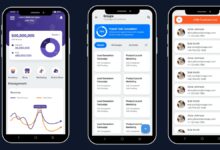
A Mobile CRM App is a cloud-based customer relationship management solution designed specifically for smartphones and tablets. It allows sales, marketing, and customer service teams to access critical customer data, manage interactions, and close deals from anywhere, at any time. Unlike traditional desktop CRM systems, mobile versions are optimized for touch interfaces, real-time sync, and offline functionality.
Core Features of a Mobile CRM App
Modern Mobile CRM Apps come packed with features that empower teams to stay productive outside the office. Key functionalities include contact management, lead tracking, task scheduling, calendar integration, and real-time notifications. These tools ensure that no follow-up is missed and every opportunity is nurtured efficiently.
- Contact and account management
- Lead and opportunity tracking
- Task and calendar synchronization
- Real-time alerts and push notifications
- Offline data access and sync
How It Differs from Desktop CRM
While desktop CRMs offer robust reporting and deep analytics, Mobile CRM Apps prioritize speed, accessibility, and usability. They are built for quick data entry, instant updates, and seamless communication. For example, a sales rep visiting a client can log notes, update deal stages, and send follow-up emails directly from their phone—without waiting to return to the office.
“The shift to mobile CRM has reduced our data entry lag by 70%. Reps update records in real time, which improves forecast accuracy.” — Sales Director, TechSolutions Inc.
Why Your Business Needs a Mobile CRM App
Organizations across industries are adopting Mobile CRM Apps to stay competitive. The ability to access customer information on the move translates into faster response times, improved customer satisfaction, and higher conversion rates. Whether you’re in real estate, healthcare, or B2B sales, mobility is no longer optional—it’s expected.
Increased Sales Team Productivity
Sales professionals spend up to 67% of their time outside the office, according to Salesforce research. A Mobile CRM App ensures they remain connected and productive during client visits, travel, or remote work. With instant access to customer histories, proposal templates, and pricing tools, reps can close deals faster and with greater confidence.
- Real-time access to customer data
- Quick quote generation and proposal sharing
- Immediate follow-up after meetings
Improved Customer Experience
Customers today expect prompt, personalized service. A Mobile CRM App enables reps to pull up a client’s entire history—past purchases, support tickets, preferences—during a face-to-face meeting or phone call. This level of personalization builds trust and strengthens relationships.
For example, a rep visiting a long-time client can instantly see that the customer recently had a service issue. Addressing it proactively shows attentiveness and care, turning a potential negative into a loyalty-building moment.
Top 7 Benefits of Using a Mobile CRM App
The advantages of integrating a Mobile CRM App into your workflow go far beyond convenience. From boosting team collaboration to enhancing data accuracy, the impact is measurable and transformative. Let’s explore the seven most compelling benefits.
1. Real-Time Data Access and Updates
One of the biggest challenges with traditional CRMs is delayed data entry. Reps often forget details or postpone logging activities until they return to their desks. A Mobile CRM App eliminates this gap by allowing instant updates. Whether it’s a new lead captured at a trade show or a deal stage change after a meeting, the system reflects it immediately.
This real-time visibility ensures that managers have accurate forecasts and that marketing teams can trigger timely campaigns based on customer behavior.
2. Enhanced Collaboration Across Teams
Modern Mobile CRM Apps support team collaboration through shared notes, activity feeds, and internal messaging. For instance, a sales rep can tag a customer support agent to flag an urgent issue, ensuring a swift resolution. This cross-functional transparency breaks down silos and improves overall service delivery.
Platforms like Salesforce Mobile and Zoho CRM Mobile offer robust collaboration tools that integrate with Slack and Microsoft Teams.
3. Greater Flexibility and Remote Work Support
The rise of hybrid and remote work models has made mobility essential. A Mobile CRM App allows teams to work effectively from any location—whether they’re at home, on a client site, or traveling internationally. This flexibility not only improves work-life balance but also expands your talent pool beyond geographic constraints.
- Support for remote onboarding and training
- Seamless integration with video conferencing tools
- Location-based task reminders and check-ins
4. Faster Response Times to Leads
Speed is critical in lead conversion. Studies show that the odds of qualifying a lead drop by 80% if the follow-up takes more than 24 hours. A Mobile CRM App enables instant lead assignment and notification, so reps can respond within minutes—significantly increasing conversion rates.
For example, when a prospect fills out a web form, the Mobile CRM App can send a push alert to the nearest sales rep, who can call the lead immediately while interest is high.
5. Improved Data Accuracy and Completeness
Manual data entry is prone to errors and omissions. With a Mobile CRM App, reps enter information at the point of interaction, reducing the risk of inaccuracies. GPS tagging, voice-to-text input, and photo capture (e.g., business cards) further enhance data quality.
Additionally, mandatory fields and validation rules ensure that critical information is never skipped, leading to cleaner databases and better reporting.
6. Better Sales Forecasting and Reporting
Accurate forecasting relies on up-to-date data. When sales activities are logged in real time via a Mobile CRM App, managers gain a clearer picture of pipeline health. Dashboards update automatically, showing trends, win rates, and potential bottlenecks.
Advanced apps offer AI-powered insights, such as predicting deal closure probabilities or recommending next steps based on historical data.
7. Increased Employee Satisfaction and Retention
Rep satisfaction is closely tied to tool usability. A clunky, desktop-bound CRM frustrates users and leads to low adoption. In contrast, a well-designed Mobile CRM App feels intuitive and empowering. When reps can work efficiently and see results, their job satisfaction improves—leading to lower turnover and higher performance.
“Since deploying our Mobile CRM App, user adoption jumped from 45% to 92%. The team loves the simplicity and speed.” — CMO, GrowthPath Solutions
Key Features to Look for in a Mobile CRM App
Not all Mobile CRM Apps are created equal. To maximize ROI, it’s crucial to evaluate features that align with your business goals and user needs. Here are the most important capabilities to consider.
User-Friendly Interface and Navigation
The best Mobile CRM Apps prioritize usability. A clean, intuitive interface with large buttons, swipe gestures, and minimal taps ensures that users can complete tasks quickly—even under pressure. Look for apps with customizable dashboards and role-based views to enhance relevance.
For example, a sales manager might want a pipeline overview, while a field rep needs quick access to their daily tasks and client list.
Offline Mode and Data Sync
Internet connectivity isn’t always reliable, especially in remote areas or during travel. A top-tier Mobile CRM App offers full offline functionality, allowing users to view records, add notes, and update deals without a connection. Once back online, changes sync automatically and securely.
This feature is critical for industries like construction, agriculture, or field service, where reps operate in low-connectivity zones.
Integration with Other Business Tools
A Mobile CRM App should seamlessly connect with your existing tech stack. Key integrations include email (Gmail, Outlook), calendar (Google Calendar, Outlook), phone systems (VoIP), and marketing automation platforms (HubSpot, Marketo).
For instance, Microsoft Dynamics 365 integrates deeply with Office 365, enabling users to log emails and meetings directly from Outlook into the CRM.
How to Choose the Right Mobile CRM App for Your Business
Selecting the right Mobile CRM App requires a strategic approach. It’s not just about features—it’s about fit. Follow these steps to make an informed decision.
Assess Your Business Needs and Goals
Start by identifying your primary objectives. Are you looking to improve lead response time? Enhance customer service? Streamline field operations? Define key performance indicators (KPIs) such as conversion rates, average deal size, or customer retention.
Then, map these goals to CRM capabilities. For example, if field service efficiency is a priority, look for apps with GPS tracking and work order management.
Evaluate Scalability and Customization
Your business will grow, and your CRM should grow with it. Choose a Mobile CRM App that supports customization—custom fields, workflows, and automation rules—so it can adapt to changing processes.
Cloud-based platforms like Pipedrive and Keap offer scalable plans and API access for future expansion.
Check Security and Compliance Features
Customer data is sensitive. Ensure the Mobile CRM App complies with industry standards like GDPR, HIPAA, or CCPA. Look for features such as two-factor authentication, data encryption (in transit and at rest), and role-based access control.
Also, verify that the vendor has a strong track record of security audits and incident response.
Top Mobile CRM Apps in 2024
The market is flooded with CRM solutions, but only a few deliver exceptional mobile experiences. Here’s a curated list of the top performers based on user reviews, feature sets, and industry recognition.
Salesforce Mobile
Salesforce remains the gold standard in CRM, and its mobile app is no exception. It offers a comprehensive suite of tools for sales, service, and marketing teams. With AI-powered Einstein Analytics, reps get smart recommendations and predictive insights on their phones.
Key strengths: Deep customization, robust integrations, enterprise-grade security. Ideal for mid to large-sized businesses.
HubSpot Mobile
HubSpot’s Mobile CRM App is perfect for small to mid-sized businesses seeking an all-in-one solution. It’s free to start, user-friendly, and tightly integrated with marketing, sales, and service hubs.
Features include contact management, task tracking, email logging, and live chat. The mobile interface is clean and intuitive, making adoption easy for non-technical users.
Zoho CRM Mobile
Zoho CRM stands out for its affordability and feature richness. The mobile app supports offline mode, voice commands, and AI-driven sales assistant (Zia). It’s highly customizable and offers over 40 integrations.
Best for: Growing businesses that need scalability without a high price tag.
Implementing a Mobile CRM App: Best Practices
Deploying a Mobile CRM App is only the first step. To ensure success, focus on user adoption, training, and continuous improvement.
Train Your Team Effectively
Even the best app fails without proper training. Conduct hands-on workshops, create video tutorials, and assign CRM champions within each team. Focus on real-world scenarios—like logging a call or updating a deal stage—to make learning practical.
- Offer role-specific training sessions
- Provide quick-reference guides and FAQs
- Use gamification to encourage usage (e.g., badges for completing tasks)
Encourage Adoption with Incentives
Drive engagement by linking CRM usage to performance metrics and rewards. For example, recognize the rep who logs the most activities or closes the fastest deal after a mobile update.
Leadership must also model the behavior—when managers use the app consistently, teams are more likely to follow.
Monitor Usage and Gather Feedback
Use built-in analytics to track login rates, feature usage, and data entry completeness. Identify bottlenecks—such as slow load times or confusing workflows—and address them promptly.
Regularly survey users for feedback. Ask: What do you love? What slows you down? This input is invaluable for optimizing the system.
Future Trends in Mobile CRM App Development
The Mobile CRM App landscape is evolving rapidly, driven by AI, automation, and changing user expectations. Staying ahead of these trends ensures your business remains agile and competitive.
AI-Powered Insights and Automation
Artificial intelligence is transforming Mobile CRM Apps from data repositories into intelligent assistants. AI can analyze customer behavior, predict churn, recommend next-best actions, and even draft personalized emails.
For example, Salesforce’s Einstein AI suggests optimal times to contact leads based on their activity patterns, increasing engagement rates.
Voice-Activated CRM Commands
As voice technology improves, more Mobile CRM Apps are incorporating voice commands. Reps can say, “Log a call with John Doe,” and the app creates the activity automatically. This is especially useful during driving or multitasking.
Google’s voice recognition and Apple’s Siri integration are paving the way for hands-free CRM usage.
Augmented Reality (AR) Integration
Emerging AR features allow field reps to overlay customer data onto real-world environments. For instance, a technician visiting a client site can point their phone at equipment and instantly see service history, manuals, and warranty status.
While still in early stages, AR-enhanced Mobile CRM Apps promise to revolutionize field service and technical sales.
What is a Mobile CRM App?
A Mobile CRM App is a smartphone or tablet application that allows businesses to manage customer relationships on the go. It provides access to contact information, sales pipelines, tasks, and communication logs, enabling teams to stay productive outside the office.
How does a Mobile CRM App improve sales productivity?
It enables real-time data entry, instant lead follow-up, offline access, and seamless communication. Sales reps can update records immediately after meetings, respond to inquiries faster, and access customer history during calls—all of which accelerate deal closure.
Can a Mobile CRM App work without internet?
Yes, many Mobile CRM Apps offer offline mode. Users can view contacts, add notes, and update deals without connectivity. Once the device reconnects, data syncs automatically to the cloud.
Is my data secure in a Mobile CRM App?
Reputable Mobile CRM Apps use encryption, two-factor authentication, and compliance with data protection regulations (like GDPR) to safeguard information. Always choose a vendor with strong security certifications and transparent privacy policies.
Which Mobile CRM App is best for small businesses?
HubSpot CRM and Zoho CRM are excellent choices for small businesses due to their free tiers, ease of use, and comprehensive feature sets. Both offer powerful mobile apps with essential sales and marketing tools.
Adopting a Mobile CRM App is no longer a luxury—it’s a strategic imperative. From boosting sales efficiency to enhancing customer satisfaction, the benefits are clear and measurable. By choosing the right platform, training your team, and staying ahead of trends, your business can unlock new levels of performance and growth. The future of customer relationship management is mobile, and it’s already here.
Further Reading:
