Looking for powerful yet affordable CRM software? You’re not alone. Small businesses and startups need smart, cost-effective solutions to manage customer relationships without breaking the bank. Let’s explore the top options that deliver real value.
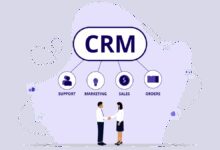
Affordable CRM Software: What It Is and Why It Matters

In today’s hyper-competitive business environment, maintaining strong customer relationships is no longer a luxury—it’s a necessity. Customer Relationship Management (CRM) systems help businesses track interactions, streamline sales processes, and improve customer service. But for small businesses, startups, or solopreneurs, high-end CRM platforms like Salesforce or HubSpot can be prohibitively expensive. That’s where affordable CRM software comes in.
Affordable CRM software refers to platforms that offer essential CRM functionalities—contact management, lead tracking, sales automation, and customer support—at a fraction of the cost of enterprise-grade tools. These solutions are designed to be accessible, user-friendly, and scalable, making them ideal for organizations with limited budgets but big growth ambitions.
According to Gartner, the demand for cost-effective CRM solutions has surged, with small and midsize businesses (SMBs) accounting for over 60% of new CRM adoptions in 2023. This trend reflects a growing awareness that even modest investments in CRM can yield significant returns in customer retention and sales efficiency.
Key Features of Affordable CRM Software
While affordability is a major factor, the best budget-friendly CRM tools don’t compromise on core functionality. Here are the essential features to look for:
- Contact Management: Centralized database for storing customer details, communication history, and preferences.
- Sales Pipeline Tracking: Visual representation of where leads are in the sales funnel.
- Task and Activity Automation: Automated reminders, follow-ups, and email sequences to reduce manual work.
- Reporting and Analytics: Insights into sales performance, customer behavior, and team productivity.
- Integration Capabilities: Compatibility with email, calendar, marketing tools, and accounting software.
These features ensure that even on a tight budget, businesses can maintain professionalism and efficiency in customer engagement.
Why Affordable CRM Software Is a Game-Changer for SMBs
For small businesses, every dollar counts. Investing in affordable CRM software isn’t just about saving money—it’s about maximizing return on investment. A study by Nucleus Research found that CRM systems deliver an average $8.71 return for every dollar spent. For SMBs, this ROI often comes from improved sales conversion rates, reduced customer churn, and better team collaboration.
Moreover, affordable CRM software levels the playing field. A small team with a $20/month CRM can compete with larger companies by delivering personalized, data-driven customer experiences. It empowers teams to act proactively—sending timely follow-ups, identifying upsell opportunities, and resolving issues before they escalate.
“A CRM isn’t just a database—it’s a strategic asset that turns customer data into actionable insights.” — CRM Industry Analyst, Forrester Research
Top 7 Affordable CRM Software Solutions in 2024
With dozens of CRM platforms claiming to be “affordable,” it’s easy to get overwhelmed. To help you cut through the noise, we’ve evaluated the top seven affordable CRM software options based on pricing, features, ease of use, scalability, and customer support. These tools are not only budget-friendly but also packed with value.
1. HubSpot CRM (Free & Paid Plans)
HubSpot CRM is arguably the most popular free CRM on the market—and for good reason. It offers a robust set of features at no cost, making it an excellent starting point for startups and small businesses.
The free version includes contact and deal tracking, email integration, meeting scheduling, and basic reporting. It also integrates seamlessly with HubSpot’s marketing, sales, and service hubs, allowing for future scalability.
Pricing for paid tiers starts at $20/month for the Starter plan, which adds automation, custom reporting, and team collaboration tools. While not the cheapest, HubSpot’s free tier makes it one of the most accessible affordable CRM software options available.
Key advantages:
- Completely free core CRM
- Intuitive, user-friendly interface
- Extensive integration ecosystem
- Excellent onboarding and educational resources
Learn more at HubSpot CRM.
2. Zoho CRM (Flexible Pricing, Starts at $14/user/month)
Zoho CRM is a powerhouse in the affordable CRM software space. Known for its flexibility and scalability, Zoho offers a wide range of plans tailored to different business sizes and needs.
The Standard plan starts at $14 per user per month and includes lead and contact management, sales forecasting, email integration, and workflow automation. Higher tiers add AI-powered insights (Zia AI), advanced analytics, and multi-channel communication tools.
One of Zoho’s standout features is its deep customization. Users can tailor fields, modules, and automation rules to match their unique sales processes. It’s also part of the larger Zoho ecosystem, which includes tools for finance, HR, and project management—ideal for businesses looking to consolidate software.
For startups, Zoho offers a free plan for up to three users, making it one of the most generous affordable CRM software options for early-stage companies.
Explore Zoho CRM at Zoho CRM.
3. Freshsales (Now Freshworks CRM) – From $15/user/month
Freshsales, rebranded as Freshworks CRM, is designed with sales teams in mind. It combines affordability with powerful AI-driven insights and a clean, modern interface.
The Growth plan starts at $15/user/month and includes unlimited contacts, lead scoring, email tracking, phone integration, and visual deal pipelines. Its AI assistant, Freddy, helps prioritize leads and suggests next steps, making it ideal for teams that want smart automation without complexity.
Freshsales also offers a free plan for up to 10 users, which includes core CRM features and up to 10,000 contacts. This makes it one of the most scalable affordable CRM software solutions for growing teams.
Integration with Gmail, Outlook, and Slack ensures smooth workflow adoption, while built-in phone and email capabilities reduce the need for third-party tools.
Visit Freshworks CRM to get started.
4. Agile CRM – $14.99/user/month (Billed Annually)
Agile CRM positions itself as an all-in-one solution for small businesses, combining CRM, marketing automation, and helpdesk functionality in a single platform.
Priced at $14.99 per user per month (when billed annually), Agile CRM offers contact management, task tracking, email campaigns, telephony, and even a built-in website visitor tracking tool. Its marketing automation features—like drip campaigns and lead scoring—are particularly strong for a platform at this price point.
One downside is that the interface can feel cluttered compared to more modern CRMs. However, for businesses that want to replace multiple tools with one integrated system, Agile CRM delivers exceptional value.
It also offers a free plan for up to 10 users, though with limited features and branding. Still, it’s a solid entry point for teams testing the waters.
Check out Agile CRM at Agile CRM.
5. Insightly – From $29/user/month (But Offers Great Value)
While slightly pricier than others on this list, Insightly remains a strong contender in the affordable CRM software category due to its robust project and customer relationship management features.
Starting at $29/user/month, Insightly is ideal for businesses that manage client projects alongside sales—such as agencies, consultants, and professional services firms. It combines CRM with project management tools, allowing teams to track tasks, milestones, and deliverables within the same platform.
Key features include contact and opportunity management, workflow automation, email integration, and customizable dashboards. The Pro plan adds advanced reporting and user permissions, making it suitable for mid-sized teams.
Insightly also integrates with over 700 apps via Zapier and native connectors, including Google Workspace, Microsoft 365, and QuickBooks.
Despite the higher price, many users find that the all-in-one functionality justifies the cost, eliminating the need for separate project management tools.
Learn more at Insightly.
6. Capsule CRM – Free for Up to 2 Users, $18/user/month After
Capsule CRM is a minimalist, no-frills CRM that focuses on simplicity and ease of use. It’s perfect for small teams or solo entrepreneurs who want a straightforward system without overwhelming complexity.
The free plan supports up to two users and includes contact management, sales pipeline tracking, task management, and basic reporting. For larger teams, the paid plan starts at $18 per user per month and adds calendar sync, email integration, and customer history tracking.
What sets Capsule apart is its clean design and intuitive navigation. It doesn’t try to do everything—instead, it excels at the basics. It integrates well with Gmail, Outlook, Mailchimp, and Xero, making it a solid choice for service-based businesses.
While it lacks advanced automation and AI features, Capsule CRM is a reliable, affordable CRM software option for teams that prioritize usability over bells and whistles.
Visit Capsule CRM to explore its features.
7. Bitrix24 – Free for Unlimited Users (With Limitations)
Bitrix24 is one of the most unique entries in the affordable CRM software landscape. It offers a completely free plan with unlimited users—yes, you read that right.
While the free version has limitations (5 GB storage, limited automation, and basic CRM features), it includes contact management, deal tracking, task management, and a built-in telephony system. It’s an excellent option for startups or nonprofits with tight budgets.
Paid plans start at $46/month for 12 users, offering more storage, advanced CRM automation, and access to marketing tools. Bitrix24 also includes collaboration features like document sharing, project management, and video conferencing—making it more of an all-in-one business suite than a pure CRM.
However, the learning curve can be steep, and the interface feels dated compared to competitors. Still, for businesses that want maximum functionality at minimal cost, Bitrix24 is hard to beat.
Explore Bitrix24 at Bitrix24.
How to Choose the Right Affordable CRM Software
Selecting the best affordable CRM software isn’t just about picking the cheapest option. It’s about finding the right balance between cost, functionality, and long-term scalability. Here’s a step-by-step guide to help you make an informed decision.
Assess Your Business Needs
Start by identifying your core requirements. Ask yourself:
- Do you need contact and lead management?
- Is sales pipeline visibility important?
- Do you require email marketing or automation?
- Will you integrate with other tools (e.g., email, calendar, accounting)?
- Do you manage projects or service deliverables?
Answering these questions will help you narrow down which features are essential and which are nice-to-have.
Consider Scalability and Future Growth
Affordable CRM software should grow with your business. Look for platforms that offer tiered pricing and allow you to upgrade seamlessly as your team or customer base expands.
For example, HubSpot and Zoho CRM allow you to start free and add users or features as needed. This flexibility prevents you from outgrowing your CRM too quickly or overspending on unused capabilities.
Also, consider data migration. Will it be easy to export your data if you switch platforms later? Most reputable CRMs offer CSV export and API access, ensuring you retain control over your customer information.
Evaluate User Experience and Onboarding
No matter how powerful a CRM is, it’s useless if your team won’t use it. A clunky interface or steep learning curve can lead to low adoption rates.
Look for platforms with intuitive dashboards, mobile apps, and clear navigation. Free trials and onboarding resources (tutorials, webinars, support) are also strong indicators of user-friendliness.
For instance, Freshsales and HubSpot CRM are known for their clean designs and excellent onboarding, helping teams get up to speed quickly.
“The best CRM is the one your team actually uses every day.” — Sales Operations Manager, Tech Startup
Key Features to Look for in Affordable CRM Software
While price is important, the true value of affordable CRM software lies in its features. Here’s a deeper dive into the functionalities that can make or break your CRM experience.
Contact and Lead Management
This is the foundation of any CRM. You need a centralized place to store customer information—names, emails, phone numbers, company details, and interaction history.
The best affordable CRM software allows you to segment contacts (e.g., by industry, location, or lead status), tag them for easy filtering, and track all communications (emails, calls, meetings) in one place.
Advanced features include lead scoring (automatically ranking leads based on engagement) and duplicate detection to keep your database clean.
Sales Automation and Workflow Tools
Automation saves time and reduces human error. Look for tools that let you automate repetitive tasks like:
- Sending follow-up emails
- Assigning leads to team members
- Updating deal stages
- Scheduling reminders
Platforms like Zoho CRM and Agile CRM offer visual workflow builders, allowing you to create custom automation rules without coding.
For example, you can set up a rule that automatically moves a lead to “Qualified” status after they open three emails and visit your pricing page.
Reporting and Analytics
Data-driven decisions are key to growth. Even affordable CRM software should provide basic reporting capabilities, such as:
- Sales performance by rep or team
- Conversion rates across pipeline stages
- Customer acquisition costs
- Deal closure timelines
Advanced platforms like Insightly and Freshsales offer customizable dashboards and forecasting tools, helping you predict revenue and identify bottlenecks.
Ensure the CRM allows you to export reports in CSV or PDF format for sharing with stakeholders.
Integration Capabilities of Affordable CRM Software
No CRM operates in isolation. The ability to integrate with other tools is crucial for maximizing efficiency and avoiding data silos.
Email and Calendar Sync
Seamless integration with Gmail, Outlook, or Google Calendar ensures that emails, meetings, and tasks are automatically logged in your CRM. This eliminates manual data entry and keeps your team aligned.
For example, HubSpot CRM and Freshsales offer two-way sync, so any changes in your calendar or inbox are reflected in the CRM in real time.
Marketing and Communication Tools
If you run email campaigns or use social media for customer engagement, look for CRMs that integrate with tools like Mailchimp, WhatsApp, or Facebook Ads.
Agile CRM and Bitrix24 include built-in email marketing and telephony, reducing the need for third-party subscriptions. Zoho CRM integrates with Zoho Campaigns, while HubSpot connects with its own marketing hub.
Accounting and Payment Systems
For service-based businesses, syncing your CRM with accounting software like QuickBooks, Xero, or Stripe can streamline invoicing and payment tracking.
Insightly and Capsule CRM offer native integrations with Xero and QuickBooks, allowing you to link deals to invoices and track revenue directly within the CRM.
“Integration isn’t a luxury—it’s a necessity for modern business operations.” — IT Consultant, SMB Advisor
Common Mistakes to Avoid When Choosing Affordable CRM Software
Even with the best intentions, businesses often make critical errors when selecting a CRM. Avoid these common pitfalls to ensure a successful implementation.
Choosing Based on Price Alone
While affordability is important, the cheapest option isn’t always the best. A $10/month CRM with poor support, limited features, or bad reviews may end up costing more in lost productivity and data migration later.
Instead, evaluate total cost of ownership—consider training, integration needs, and potential upgrades.
Ignoring Mobile Accessibility
Today’s sales teams are on the move. A CRM without a reliable mobile app limits accessibility and reduces adoption.
Ensure the affordable CRM software you choose has a fully functional iOS and Android app that allows users to view contacts, update deals, and log calls from their phones.
Overlooking Data Security and Compliance
Customer data is sensitive. Even budget CRMs should comply with data protection regulations like GDPR or CCPA.
Check if the provider offers data encryption, regular backups, and role-based access controls. Avoid platforms that lack transparency about their security practices.
Future Trends in Affordable CRM Software
The CRM landscape is evolving rapidly. As AI, automation, and remote work reshape business operations, affordable CRM software is becoming smarter, more intuitive, and more accessible than ever.
Rise of AI-Powered Assistants
AI is no longer a feature reserved for enterprise CRMs. Affordable CRM software like Freshsales (Freddy AI) and Zoho CRM (Zia AI) now include AI-driven insights that predict deal outcomes, recommend next steps, and automate data entry.
In the near future, expect even more advanced AI capabilities—like sentiment analysis of customer emails or automatic meeting summaries from call recordings.
Increased Focus on Collaboration
Modern CRMs are becoming team hubs. Features like shared inboxes, internal commenting on deals, and real-time activity feeds are becoming standard—even in budget plans.
Platforms like Bitrix24 and HubSpot CRM are leading this trend, blending CRM with collaboration tools to create unified workspaces.
Greater Emphasis on Customization and Low-Code Solutions
Businesses want CRMs that fit their workflows—not the other way around. Expect more affordable CRM software to offer drag-and-drop automation builders, customizable fields, and low-code integration options via platforms like Zapier or Make.
This empowers non-technical users to tailor their CRM without relying on developers.
What is affordable CRM software?
Affordable CRM software refers to customer relationship management tools that offer essential features at a low cost, typically aimed at small businesses, startups, or solopreneurs. These platforms provide contact management, sales tracking, and automation without the high price tags of enterprise systems.
Is there a free CRM that actually works?
Yes, several free CRMs are highly effective. HubSpot CRM and Zoho CRM offer robust free plans with core features like contact management, deal tracking, and email integration. These are ideal for startups and small teams looking to get started without upfront costs.
Can I use affordable CRM software for marketing?
Many affordable CRM software platforms include marketing features such as email campaigns, lead nurturing, and social media integration. Agile CRM and Bitrix24, for example, combine CRM with marketing automation, making them suitable for integrated sales and marketing efforts.
How much should I expect to pay for a good CRM?
Prices vary, but most affordable CRM software ranges from free to $30 per user per month. Free plans are great for small teams, while paid plans offer advanced features like automation, reporting, and integrations. The key is to choose based on value, not just price.
Which affordable CRM software is best for small businesses?
HubSpot CRM and Zoho CRM are widely regarded as the best for small businesses due to their free tiers, ease of use, and scalability. Freshsales and Capsule CRM are also excellent choices for teams prioritizing sales automation and simplicity, respectively.
Choosing the right affordable CRM software can transform how your business manages customer relationships. From free options like HubSpot to feature-rich platforms like Zoho and Freshsales, there’s a solution for every budget and need. The key is to focus on functionality, ease of use, and long-term scalability. By avoiding common pitfalls and staying informed about emerging trends, you can select a CRM that not only saves money but drives real growth. The best CRM isn’t the cheapest—it’s the one that your team will actually use and benefit from every day.
Further Reading:
